What is Oud?
The Ultimate Guide to Liquid Gold
Oud, also known as agarwood, is the single most precious natural ingredient in perfumery. Derived from the infected heartwood of Aquilaria trees, pure oud oil can cost more per gram than gold. It has been treasured in the Middle East for thousands of years and is now conquering Western perfumery.
How Oud is Created
When an Aquilaria tree becomes infected with a specific mold, it produces a dark, aromatic resin as a defense mechanism. This resin-saturated wood is agarwood. Only about 2% of wild Aquilaria trees develop this infection naturally, making genuine oud extraordinarily rare. The wood is then distilled through steam or hydrodistillation to extract the precious oil.
What Does Oud Smell Like?
Oud is complex and multifaceted. It can present as woody, smoky, leathery, sweet, or animalic depending on its origin and distillation method. Cambodian oud tends toward sweetness, while Indian oud is darker and more barnyard. In modern perfumery, oud is typically blended with complementary notes like rose, saffron, amber, or vanilla to create accessible yet luxurious compositions.
OUD-BASED FRAGRANCES
Oud Without the Price Tag
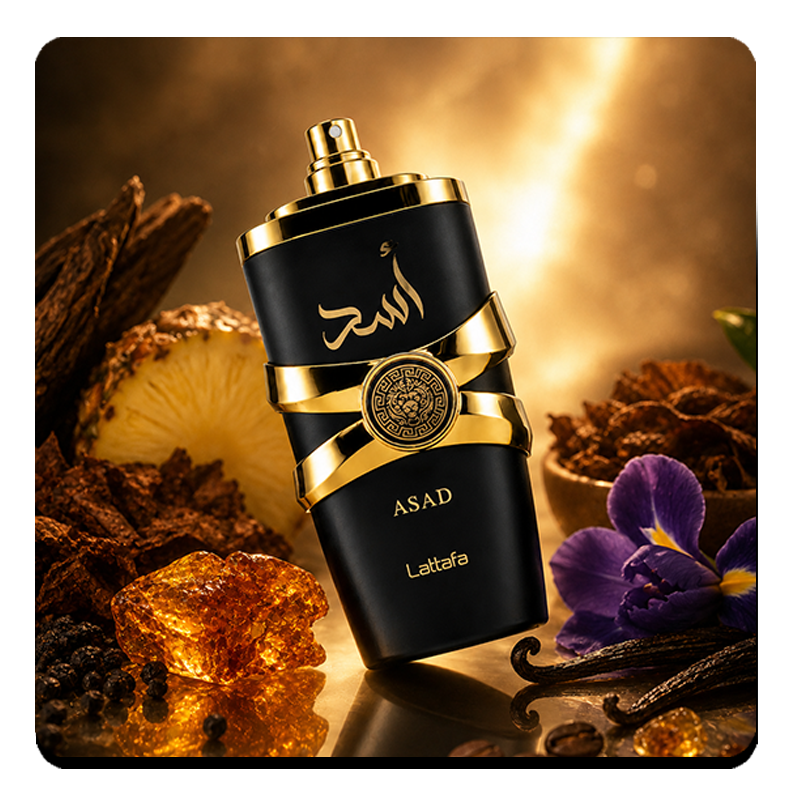
A pure oud oil can cost thousands of euros per bottle. However, modern perfumery houses like Lattafa have mastered the art of incorporating oud into accessible compositions. Asad by Lattafa features genuine oud accords blended with tobacco, amber, and dark woods for just 30 EUR -- a fraction of what Western niche brands charge for similar quality.
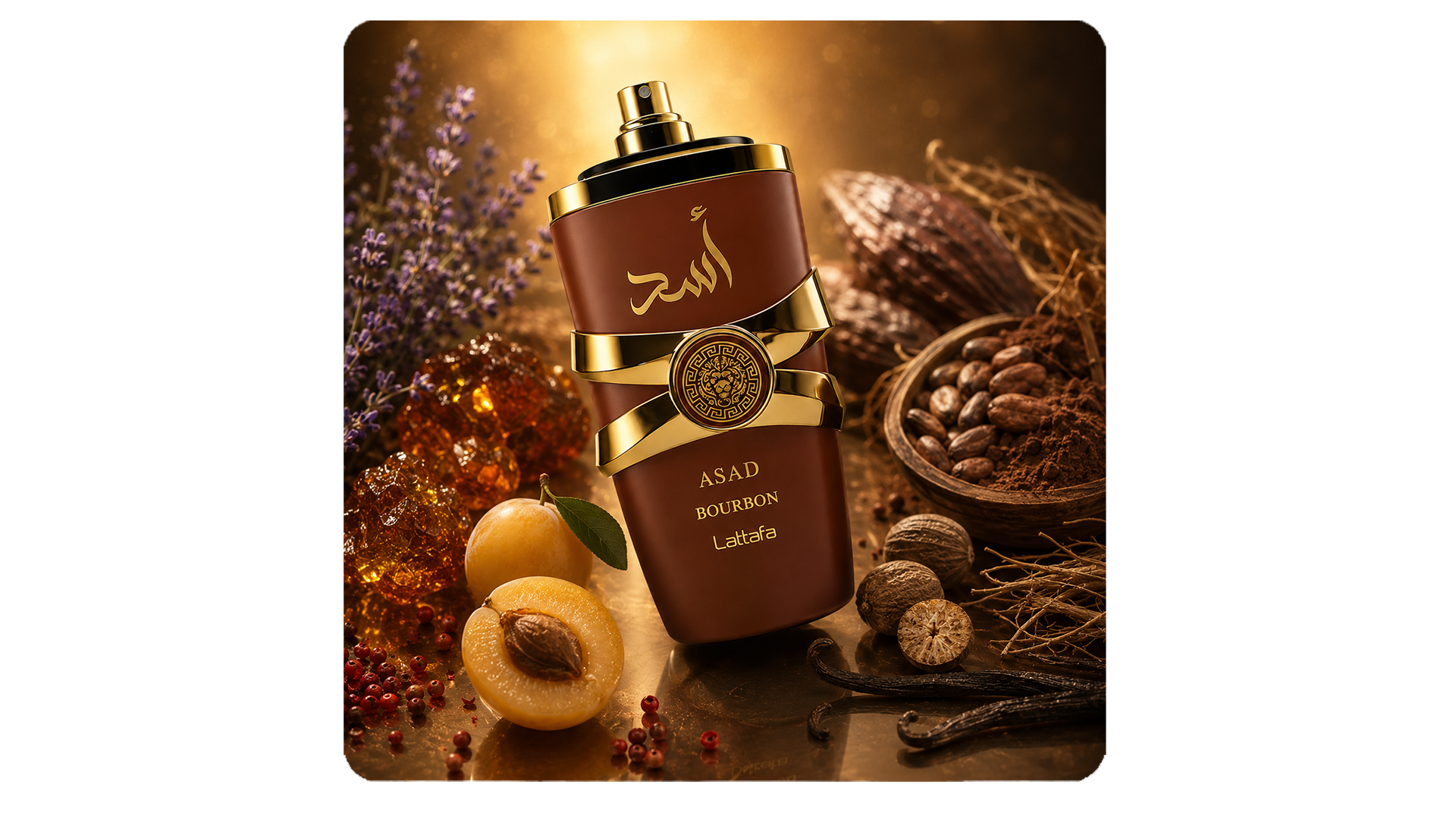
Asad Bourbon takes a different approach, softening the oud with bourbon vanilla and warm spices, making it an excellent entry point for those new to oud-based fragrances. Both deliver the depth and sophistication that only oud can provide.